Friday, February 23, 2018

VIRTUAL COIN

What Are Bitcoins? Virtual Currency Explained (Like You're an Idiot)

PHOTO: BitcoinTomohiro Ohsumi/Bloomberg via Getty Images
An illustration of the virtual currency bitcoin is shown in Tokyo, April 25, 2013.
Members of Congress today will get a crash course on bitcoin, the digital "currency" that allows users to conduct transactions online. In just five years the virtual currency has gone from being worth pennies to nearly $600 apiece. It has funded nascent democracy movements as well as a huge underground marketplace for illegal drugs and weapons.
We set out to answer the question: What Are Bitcoins?
Below is an attempt to answer that and many other questions surrounding the virtual currency. And we promise to speak really, really slowly.
When I was 4, I bit a coin, swallowed it, and had to go to the emergency room. I've had a fear of payphones and gumball machines ever since. Thank goodness Congress has finally gotten around to fixing the scourge of people biting coins. Wait... is this the same thing?
Friday, February 16, 2018

DIGITAL CURRENCY USED BY PEOPLE

Is Bitcoin really used by people?

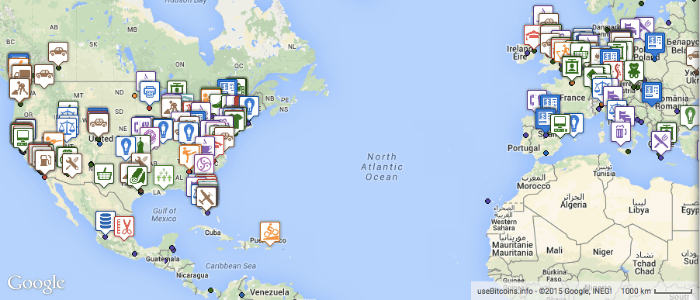
Yes. There are a growing number of businesses and individuals using Bitcoin. This includes brick-and-mortar businesses like restaurants, apartments, and law firms, as well as popular online services such as Namecheap, Overstock.com, and Reddit. While Bitcoin remains a relatively new phenomenon, it is growing fast. At the end of April 2017, the total value of all existing bitcoins exceeded 20 billion US dollars, with millions of dollars worth of bitcoins exchanged daily.
Screenshot

Saturday, February 3, 2018

TRADING OF VIRTUAL

US Markets are closed

How to Trade Bitcoin?

Dmitriy Gurkovskiy
Currently, the cryptocurrency market has not taken its final shape yet. The regulation coming from local government authorities is quite basic, while many still doubt whether blockchain, as it is now, can be applied on a large business scale.
False stories appear every now and again, boosting volatility, and some cryptocurrency exchanges are regularly hacked or go bankrupt. All this shows the high-risk nature of the digital coin market.
Still, with all that, the total market cap of the cryptocurrencies exceeds $250B (it was just $40B earlier this year). Bitcoin, Ether, and Bitcoin Cash are the leaders, with $256B, $40B, and $22B respectively at the time of writing.